
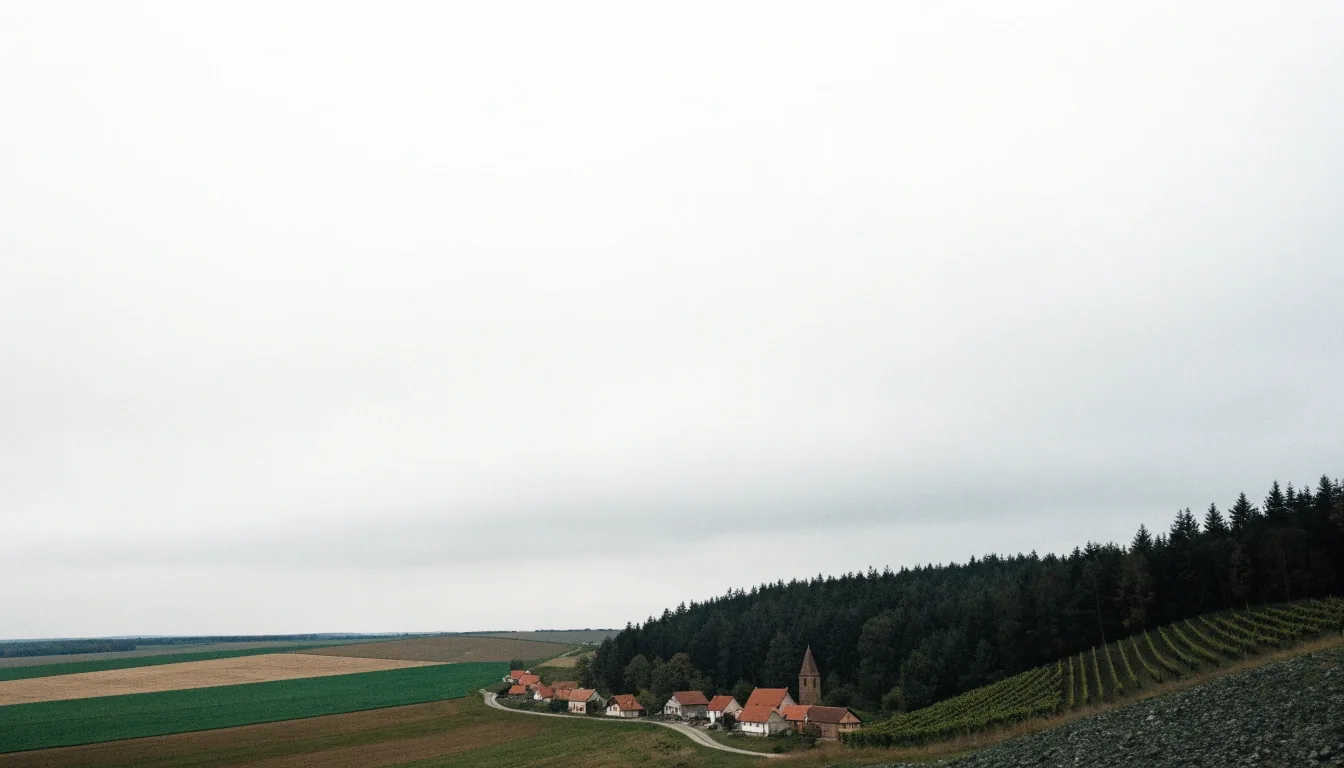
COP31 · Antalya, Turkey · 8 November 2026
Singapore pushes implementation over new climate targets
Environment minister told the talks in Antalya that negotiators should concentrate on carrying out pledges already made, not on drafting a fresh round of emissions targets. Nearly 200 delegations are in the room for 12 days.
Facts dated. Positions named. Sources open.
Pledges are easy to announce. Carrying them out is the part that gets negotiated.
This report summarises what Singapore's environment minister told COP31 and what sits on the agenda of a 12-day round. Figures and quotes are as reported by the outlets listed at the foot of the page on 8 November 2026; anything the association itself has not verified is flagged where it appears.
What Singapore's minister said
The gap is in delivery, not in headline numbers
The argument put to the room is procedural: the pledges already exist, so the work left is national implementation plans, reporting, and the financing that turns a written promise into a built flood defence, a metered grid, a replanted slope. For delegations that arrived hoping to raise ambition this round, that reframes the question from how high to how far along.
Reuters reported the position on 8 November 2026, at the start of the conference. It is a position a working negotiation round can act on: it points at reporting rules and finance rather than at a reopened target architecture that a fortnight could not settle anyway.
- Confirmed fact
- Singapore's environment minister told the COP31 talks in Antalya that negotiators should concentrate on implementing existing climate pledges rather than drafting new emissions targets.
- Confirmed fact
- The conference runs 12 days and brings together delegations from nearly 200 countries, with adaptation and electrification both on the programme.
- Open question
- Whether implementation language survives into the final text, and whether electrification is recorded as a commitment or only as an agenda item.
- Association position
- Maring-Noviand is not a party to these talks and our association takes no position on national climate targets. We record the reporting because it explains how the same gap — a plan on paper, delivery on the ground — is argued about at other levels of government, including the planning questions this site documents.
Source: Reuters, 8 November 2026 · linked in full below

The conference setting
Antalya, 12 days, nearly 200 delegations
COP31 is meeting in Antalya, Turkey. The length of the round does real work: a fortnight is long enough to move a draft through working groups and drafting sessions with the interpreters running, and short enough that settled architecture — the parts delegations already agreed to live by — does not reopen. That produces a predictable mix of firm decisions and language that is carried forward to the next session.
- Where
- Antalya, Turkey
- How long
- 12 days
- Who is in the room
- Nearly 200 delegations
AP's video report shows leaders arriving for the same negotiation. Watch how the daily schedule is spent: plenary time is set, but the substance usually moves in smaller rooms where the drafting language is written and rewritten.
"A fortnight is enough to move through working groups and drafting sessions, but not enough to reopen settled architecture."
Our reading of how a round of this length behaves
Adaptation on the agenda
The half of the talks that decides whether a round matters at home
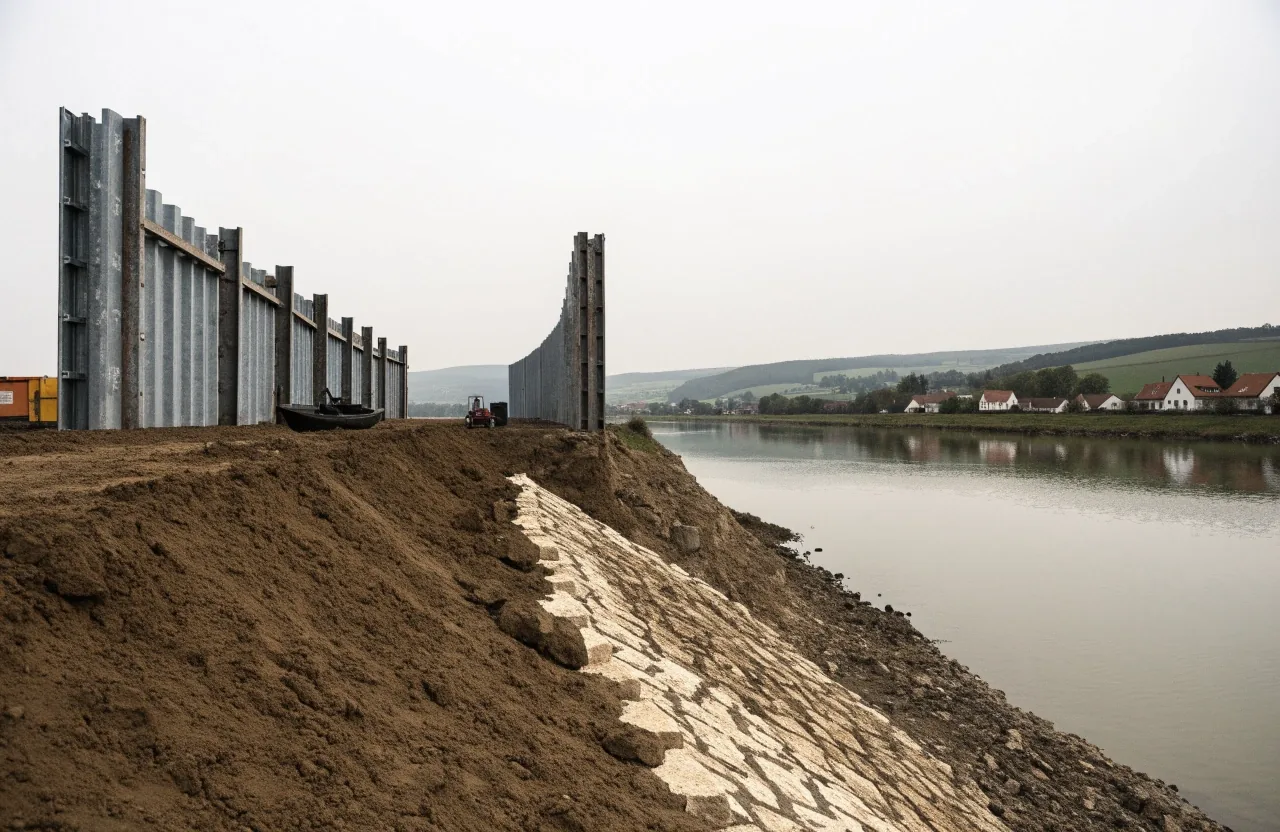
Adaptation is the practical side of a changing climate. In this round it covers flood defence, water management, heat planning, and how the cost of those works is shared between countries that can pay for them and countries that cannot.
-
Flood defence
Embankments, revetments, retention basins — built infrastructure with a long lead time and a maintenance bill that outlives the conference.
-
Water management
Drainage capacity, storage and how a river's flow is shared across the settlements and farmland along it.
-
Heat planning
Shade, cooling centres and building standards — the measures a municipality can actually schedule in a council term.
-
How the cost is shared
For countries facing rising sea levels or shifting rainfall, the financing arrangement is the part that decides whether the negotiation round matters at home.
Electrification and the energy question
A delivery problem as much as a policy one
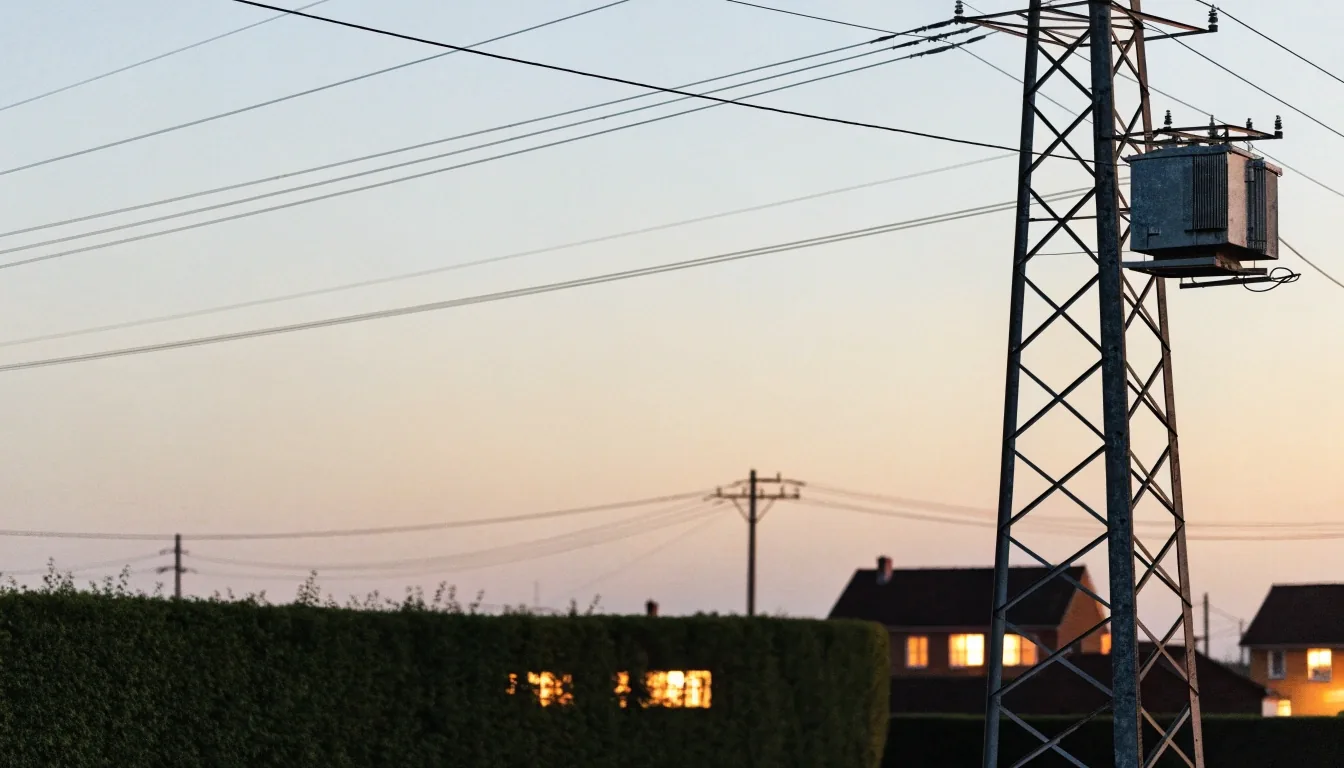
Maring-Noviand is small enough that this arithmetic is easy to picture. A village of this size gets one line upgrade, one transformer, one charging point at a time — and the plan for the next one is a document somebody has to write, publish and stand behind.
Why it is a negotiating position
Every delegation knows pledges are easier to announce than to carry out
Framing the talks around implementation shifts attention to reporting rules, verification, and the finance that makes delivery possible in countries without capital to spare. That is not a neutral technicality. It also creates a convenient line of argument for governments that would rather not be measured against a new, higher number while their existing promises are still short.
What it moves forward
National implementation plans get read as working documents rather than appendices — the reporting and verification rules attached to them become the part worth arguing over.
What it makes harder
A delegation that hoped to announce a raised target has to explain why the last one is behind schedule. That is not impossible, but it is a different speech.
What it costs
Implementation arguments can stall ambition: a round that spends its fortnight on machinery may close without a single number moving, and delivery can be used as a reason to postpone.
Both readings are live in Antalya. Read the drafting language and the answer usually shows: a text that names reporting rules and finance is doing implementation; a text that names only a headline figure is doing targets.
What to watch
Four things worth checking as the 12 days close
The final text will decide most of this, but the direction is visible earlier in the drafting sessions. These are the markers to look for in the coverage that follows the conference.
-
1
Adaptation finance language
Whether the drafting text names a mechanism for adaptation funding or stays at the level of a stated intention.
-
2
National implementation plans in the final text
Whether they are named as the vehicle for delivery, or left out and carried forward to the next session.
-
3
Electrification as commitment or agenda item
A commitment language obliges grids and storage to be planned; an agenda item schedules a conversation for next time.
-
4
The gap between pledge and mechanism
Nearly 200 delegations have to agree on how targets already pledged and the machinery to deliver them sit side by side — that gap is the centre of this round.
Sources for this report
Where these facts come from
This summary draws on two published reports. Figures and characterisations of Singapore's position are as those outlets published them on 8 November 2026. Where we have added our own reading — as on the negotiation round's length, or on electrification as a delivery problem — the passage says so.
How we verify and label a report-
Reuters · 8 November 2026
Coverage of Singapore's position at the COP31 talks in Antalya
The primary report behind the minister's argument and the drafting priorities this page summarises.
-
AP · 8 November 2026
Video report on world leaders gathering for the climate negotiations
Scene and setting: who arrives, who speaks first, and how the daily schedule is spent.
About this newsroom
The Bürgerinitiative PRO Gewerbepark MN e.V. is a registered association in Maring-Noviand, Germany (VR 42283, Amtsgericht Wittlich). This news page republishes and summarises reporting that touches planning, infrastructure and land-use questions, with sources linked and our own reading kept separate from the facts. Questions or corrections: contact the association.
Maring-Noviand, Germany
Plans debated far away still land next to somebody's field.
The association documents the planning questions around the Maring-Noviand business park the same way this page documents COP31: dated, sourced, and with our own position named as ours. If you want to read how infrastructure debates play out at village scale, the project file is open.