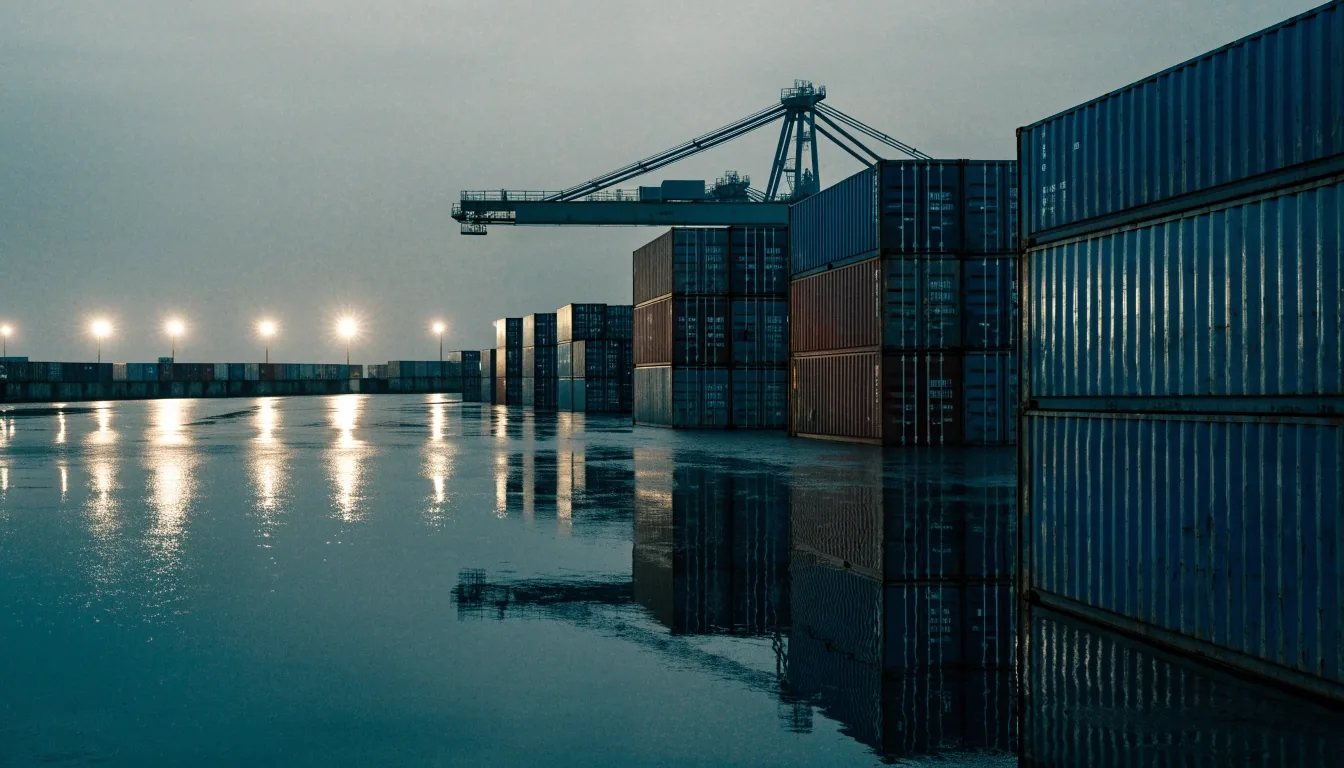
Night view of a port container yard in Mombasa, Kenya, with stacked freight containers and floodlights along the quay

Newsroom record · dated 7 November 2026

Kenyan police seize 454 kilograms of methamphetamine

BBC reported that Kenyan police seized 454 kilograms of methamphetamine. Investigations began after a key suspect was arrested in Tanzania the previous week. The case was presented as part of a broader regional crackdown on drug trafficking. This summary follows BBC's coverage, with sources listed below.

Seizure figure stated

454 kilograms, as reported by the broadcaster

Where the case sits

Kenya seizure, Tanzania arrest, one regional crackdown

What this page is

A dated, sourced summary of one BBC report

The seizure

Kenyan police seized 454 kilograms of methamphetamine, according to the BBC report. That is a freight-scale quantity rather than a street-level find, which is why the case was reported as a significant operation. The seizure figure is the one stated by the broadcaster, and it is the figure used here, without adjustment.

It is worth being precise about what a single figure can and cannot carry. A weight tells you the size of one consignment that was intercepted; it says nothing on its own about how long the material had been moving, how it was stored, or who was waiting for it. Those questions appear later in an investigation, if they appear at all, and this page does not answer them.

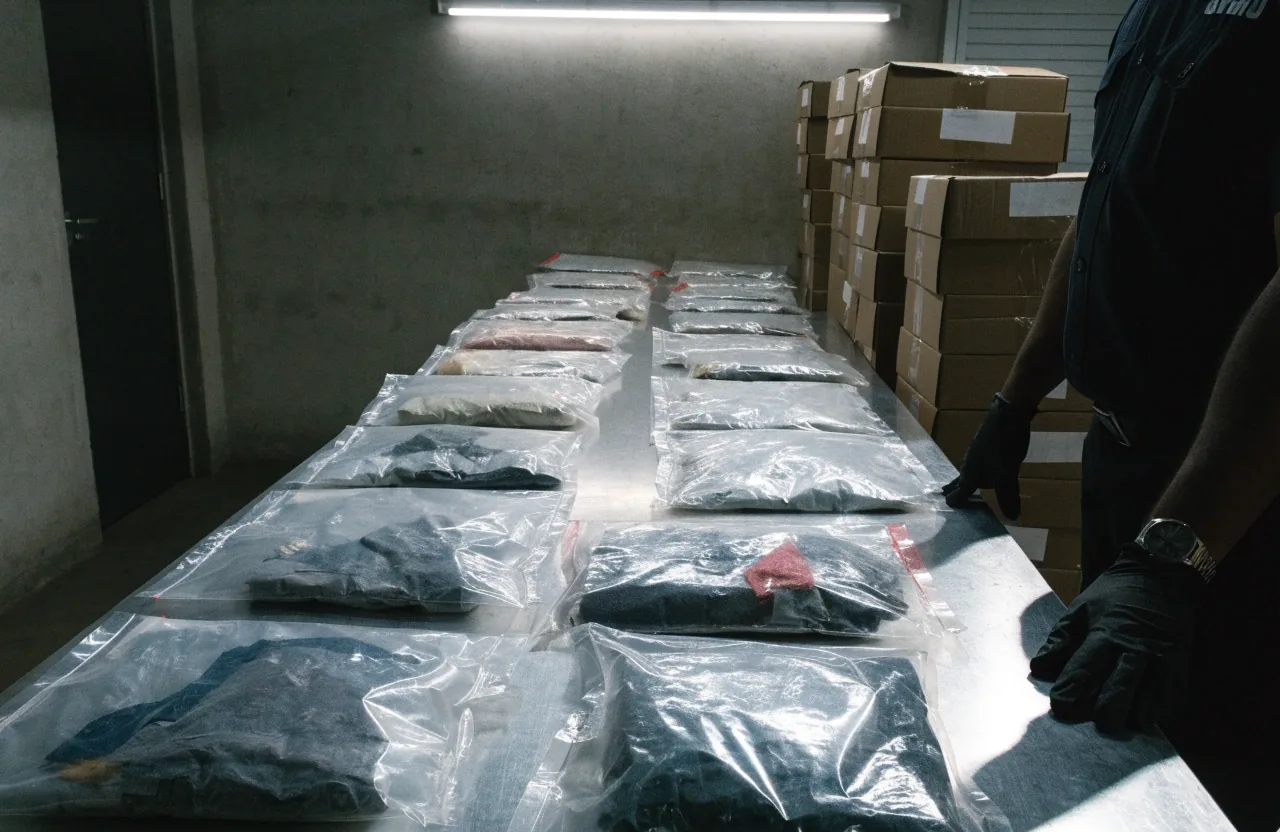
Sealed evidence bags of seized material placed on a plain table in a police evidence room under flat overhead light
Seized material is catalogued before it moves to a court file. The 454 kilogram figure is the one stated in the BBC report dated 7 November 2026; this page does not adjust it.

The arrest that triggered the investigation

The sequence reported here runs from the arrest to the seizure, not the other way around.

Step reported first

A key suspect arrested in Tanzania

Investigations began after a key suspect was arrested in Tanzania the previous week, as reported. That arrest is the event the BBC account places before the seizure, which makes it the starting point of the timeline rather than a consequence of it.
What questioning gives

Points of storage and route

Cross-border arrests of this kind often precede seizures, since questioning and device analysis point to storage locations and routes. Officers work outward from what a detained person says and what their devices hold.

Step reported second

The 454 kilogram seizure in Kenya

The seizure followed in Kenya, and it is the point at which physical evidence enters the case. From there the material becomes a numbered exhibit and the paperwork begins to move between two countries.

Indian Ocean coastline at dawn near the Tanzania and Kenya border, with a small cargo dhow offshore and low coastal scrub

The regional trafficking picture

The case was presented as part of a broader regional crackdown on drug trafficking. East Africa has appeared in trafficking reporting as both a destination region and a transit corridor, which makes coordination between neighbouring police forces a practical necessity.

Cases that cross borders are harder to build, because evidence and custody have to move between jurisdictions. A seizure in one country and a suspect in another means two legal systems, two sets of procedures, and a handover that has to be documented at every stage. That is slow work, and it is usually the reason a case of this shape takes months rather than days to reach a courtroom.

For readers following the story, that context is the useful part: it explains why the reported sequence matters more than any single number, and why follow-up reporting tends to arrive in steps rather than all at once.

Destination region

One role East Africa plays in trafficking reporting

Transit corridor

The other role, and the reason borders matter here

Why coordination is needed

Evidence and custody move between two jurisdictions

Why the quantity matters

Methamphetamine seizures are measured in kilograms because the trade is a supply-chain business, not a retail one. A seizure of this size represents a substantial consignment, and reporting usually distinguishes between the amount found and the amount that may have moved earlier. Only the first figure is stated here, because that is what the BBC report gives.

How to read a seizure figure

What the figure is
The weight of material physically intercepted and recorded, in this case 454 kilograms as stated by the BBC.
What it is not
A measure of total volume moved, of street value, or of how long the operation had been running. None of that is in the sourced material.
Why we keep it as reported
Restating a figure with local conversions or rounding makes it harder to compare against the original report. The number stays in the unit the broadcaster used.

Investigation and next steps

The BBC account describes an ongoing investigation rather than a concluded case. Where a suspect has been arrested in one country and drugs seized in another, prosecutors typically work through mutual legal assistance, which takes time. No charges or court outcomes are stated in the sourced material, and none are suggested on this page.

Mutual legal assistance is the formal route by which one country asks another to gather evidence, take statements, or hand over material for a prosecution. Requests are made in writing, reviewed by a central authority, and answered in the order they are received. That process is why a cross-border case often goes quiet for months between the first reports and any court hearing.

Readers following this case should expect the next confirmed development to come from an official statement or a court filing, not from speculation in the interval. If a follow-up report appears, it will be added to this page with a new date so the earlier version stays visible.

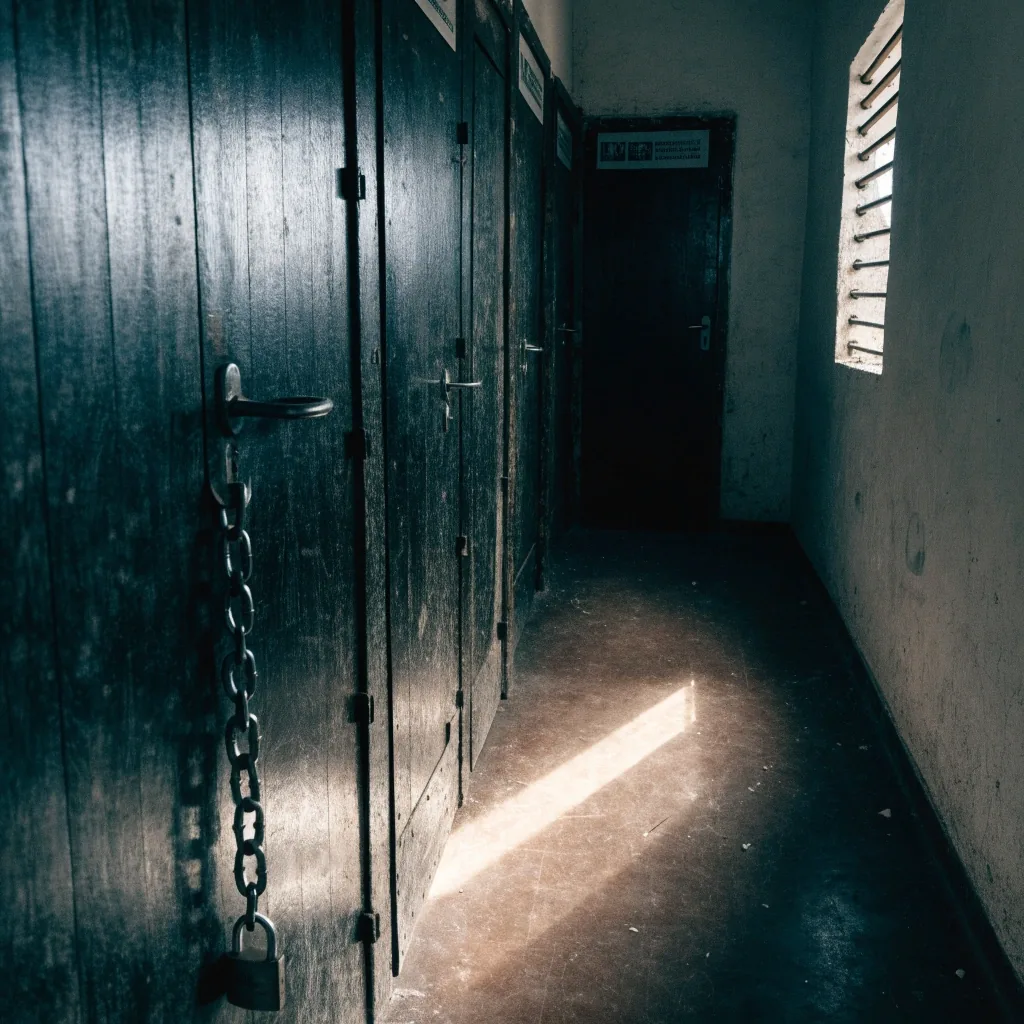
Quiet courthouse corridor with closed wooden doors and plain wall, daylight falling across the floor
No charge has been reported in the sourced material. The route from seizure to a hearing runs through formal requests between two legal systems.

What the report does not establish

The report does not, in the material summarised here, name a trafficking network or establish the intended destination of the shipment. Those details belong to investigators and, later, to courts. Readers looking for the full account should follow the links below rather than rely on this summary.

Named network

Not established in the sourced material. Anything on this point would be an assumption rather than a report.

Intended destination

Not stated. Where a consignment was headed is a question for investigators, and it may never be published.

Charges and outcomes

None reported at the time of the BBC item. This page will not anticipate them.

Quantity moved earlier

Unknown and not estimated here. Only the intercepted amount is stated.

Sources for this report

This summary draws on BBC's world news coverage and the broadcaster's news homepage, both of which carried the item on 7 November. Links are listed below. Any corrections or follow-up reports will be added to this article with a new date.

About this summary

This page is a short, dated summary of one external report, published by the Bürgerinitiative PRO Gewerbepark MN e.V. as part of its news archive. The association's own work concerns the Maring-Noviand business park project in Germany; it does not investigate drug trafficking, and nothing here should be read as its position on the case. Where the association does take a position — on the business park, on planning procedure, on land use — that position is labelled as such on the project and timeline pages.

Corrections, questions or requests about this summary can be sent to [email protected] or by phone on +49 6535 944430, Monday to Friday, 9:00 AM – 6:00 PM.

Where this archive comes from

The Bürgerinitiative PRO Gewerbepark MN e.V. is registered at Amtsgericht Wittlich under VR 42283. Its address is Im Webersgarten 25, 54484 Maring-Noviand, Germany — the village where the business park project it documents is located.

This news archive carries dated external reports alongside the association's own project material. Every entry keeps its date and its sources, so a reader can tell what was reported, what is planned, and what the association itself thinks — three things that are easy to blur together and should not be.

Village edge in Maring-Noviand with open fields, a narrow road and low hills under overcast light
Maring-Noviand, Germany — the association's registered address and the site of the business park project it documents.